[HIGH] CVE-2026-132286 — A security vulnerability has been detected in yangzongzhuan RuoYi up to 4.8.3. The impacted element is an unknown function of the file ruoyi
ThreatFilter threatfilter.dev
Aurekai listening
Listen to this summary
Original instrumental score; voice stays in front.
Ready to listen
This reads the text available on this page using your browser's voice. It is not a publisher-recorded narration; voice processing depends on your browser.(vendor/severity tags below are heuristic) A security vulnerability has been detected in yangzongzhuan RuoYi up to 4.8.3. The impacted element is an unknown function of the file ruoyi-admin/src/main/java/com/ruoyi/web/controller/system/SysLoginController.java of the component User Registration Endpoint. The manipulation of the argument deptId/status/userId/createBy leads to improper input validation. Remote exploitation of the attack is possible. The exploit has been disclosed publicly and may be used. The identifier of the patch is d7ad977c9ca64e9b081c893ec56fe08f51f66698. It is recommended to apply a patch to fix this issue.
More ways to use this
Open on another device

Scan to open this page. Your saved notes and account access are not included.
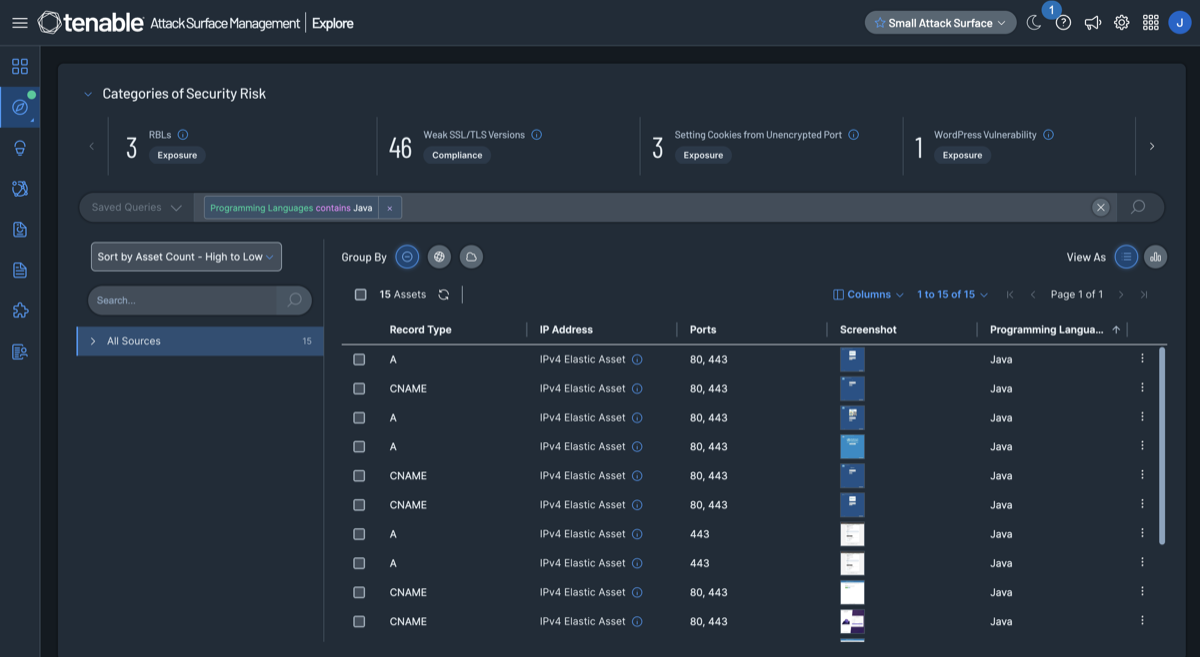 Java4Shell (CVE-2026-114938): Frequently asked questions about OpenJDK remote code execution vulnerability
 Oracle November 2026 Critical Security Patch Update Addresses 640 CVEs (CVE-2026-114938)
 Brotli2Shell: Frequently asked questions for Google Brotli decoder vulnerability (CVE-2026-111497)